Repair
Chair & Furniture Upholstery Repair
Resources for furniture refinishing, upholstery repair, and reupholstering — covering leather, fabric, and patio pieces along with tips for tackling the work yourself or finding someone nearby.
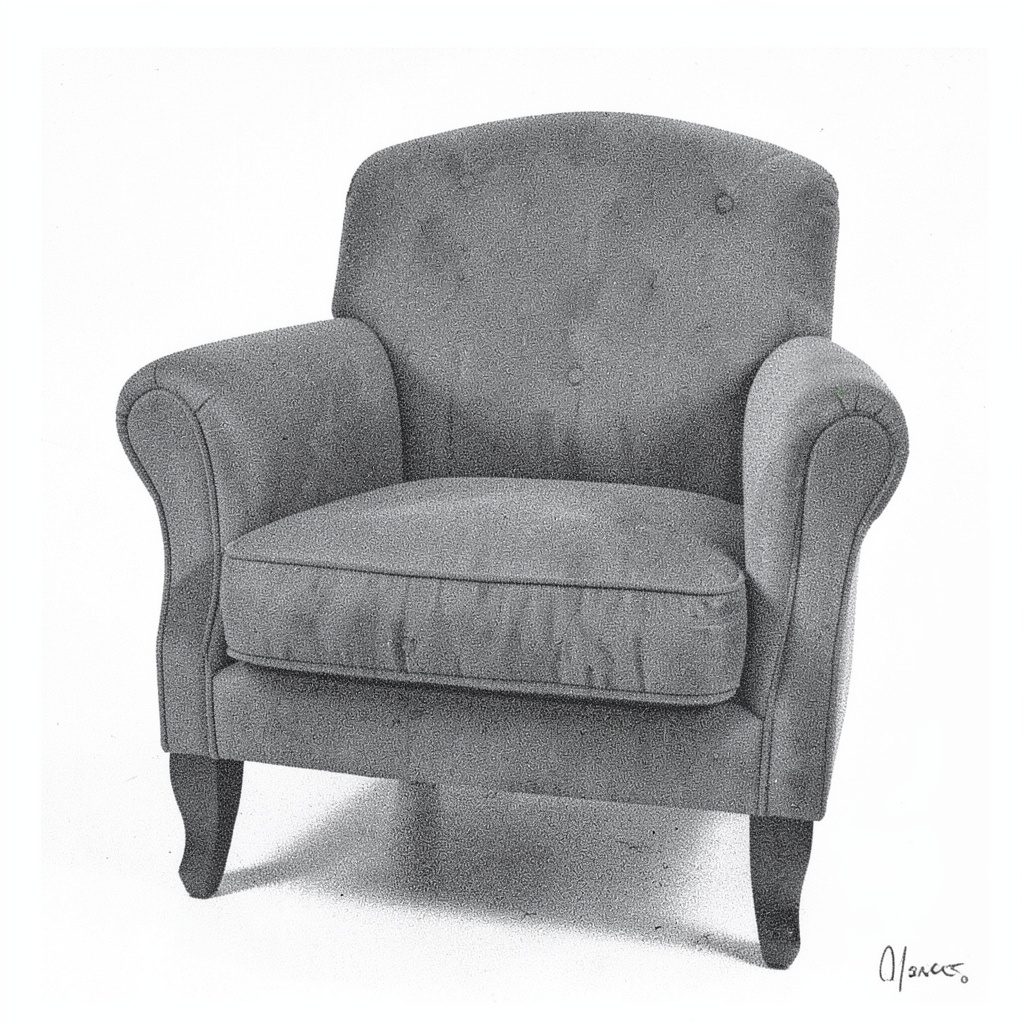
Repairing Leather, Fabric & Patio Furniture
Different upholstery materials call for different repair approaches. Leather pieces often need conditioning and patching where the surface has cracked or worn thin, while fabric upholstery may call for reweaving, patching, or full panel replacement. Outdoor and patio furniture brings its own challenges, since sun exposure and moisture wear down cushions and slings faster than indoor pieces.
- Leather chairs and sofas: cleaning, conditioning, and patch repair for worn or cracked areas.
- Fabric upholstery: matching materials and mending tears or thinning spots.
- Patio furniture: addressing fading, mildew, and weather-related wear on cushions and slings.
Fixing Couch Springs & Sofa Damage
Sagging cushions and squeaky frames are common complaints with older sofas. Guides on this topic walk through diagnosing spring issues, retying or replacing coil and webbing systems, and addressing frame damage that affects how a couch holds its shape over time.
For sofas that see heavy daily use, spot repairs to springs and padding can extend the life of a piece before a full reupholstering job becomes necessary.
Upholstery repair begins with a careful look at the piece itself, since the material in question shapes every decision that follows. Leather surfaces tend to show age through cracking, peeling, or a dull finish that no longer responds to conditioning, and small flaws can spread quickly once the protective topcoat is compromised. Catching these signs early allows for simpler fixes, while deeper damage often points toward professional restoration or full panel replacement. A steady routine of cleaning and conditioning helps extend the life of leather seating and keeps it looking cared for rather than simply worn.
Fabric upholstery opens up a wider range of repair techniques, depending on the weave, the filling, and the way the piece is constructed. Tightly woven textiles may only need a careful patch or a bit of reweaving to hide a snag, while looser fabrics can sometimes be replaced panel by panel without disturbing the frame. Cushions often show wear long before the structure does, so refreshing the fill and the cover can make an old chair feel new again. Matching thread, pattern, and tension is what separates a thoughtful repair from an obvious one.
Outdoor and patio furniture faces a different set of stresses, since sunlight, moisture, and temperature swings all work against the materials used in seating meant for the open air. Fabrics can fade and weaken, frames can loosen, and foam can lose its shape after repeated exposure. Choosing replacement textiles designed for outdoor use, along with hardware that resists corrosion, gives a repaired piece a much better chance of lasting another season. Whether the work is done at home or entrusted to a specialist, thoughtful preparation tends to be the difference between a short-term patch and a lasting improvement.
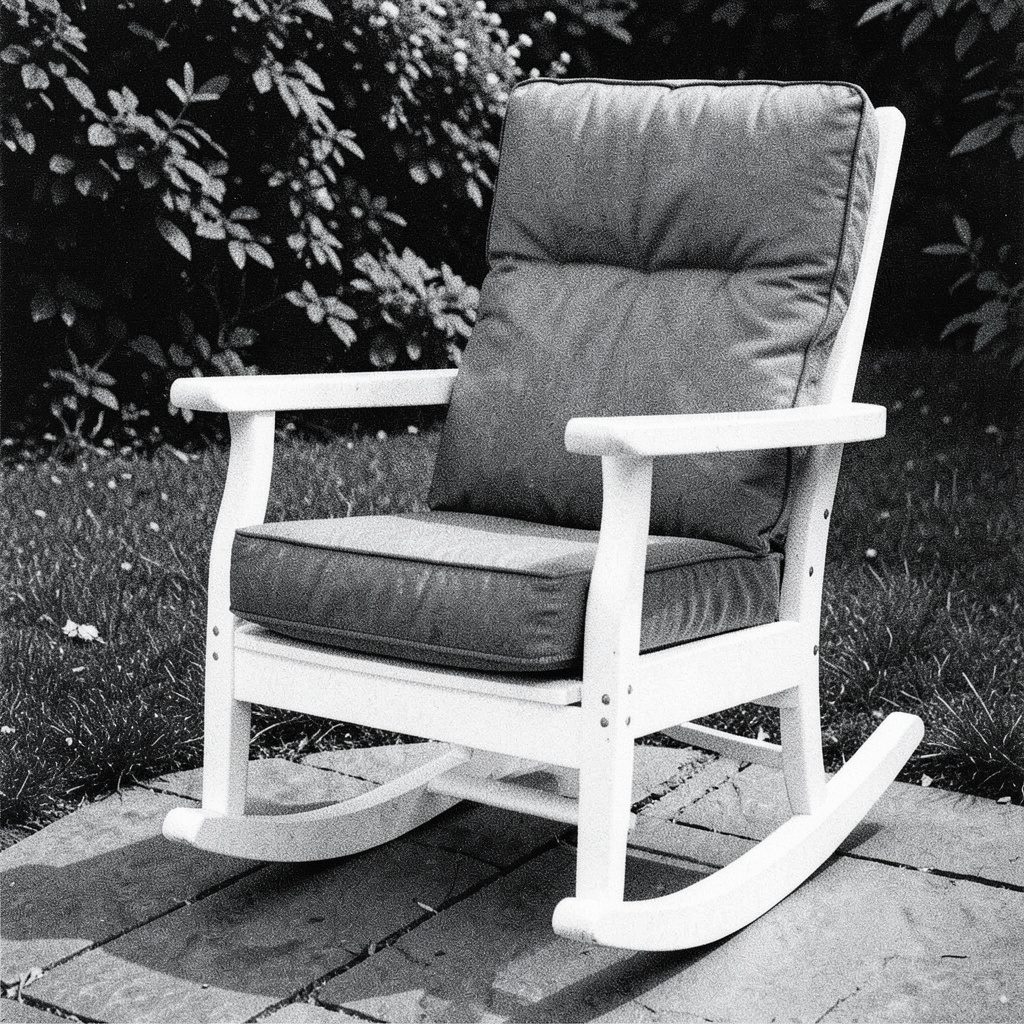
Finding Local Upholsterers & DIY Kits
Not every repair is a do-it-yourself job. Some guides point toward searching for local upholsterers who handle reupholstering, cushion replacement, and structural frame work. For smaller fixes, DIY repair kits covering leather patches, fabric glue, and touch-up dyes are a practical alternative for handling minor wear between professional visits.
- Comparing DIY repair kits for small tears, scuffs, and color touch-ups.
- Considerations for choosing a local upholstery service for larger jobs.
- General tips for matching new fabric or leather to existing furniture.