Crafts
Sewing & Crafting Supplies
Notes on cutting mats and rotary tools for sewing, quilting, and general craft work — sizing, materials, and what to look for before buying.
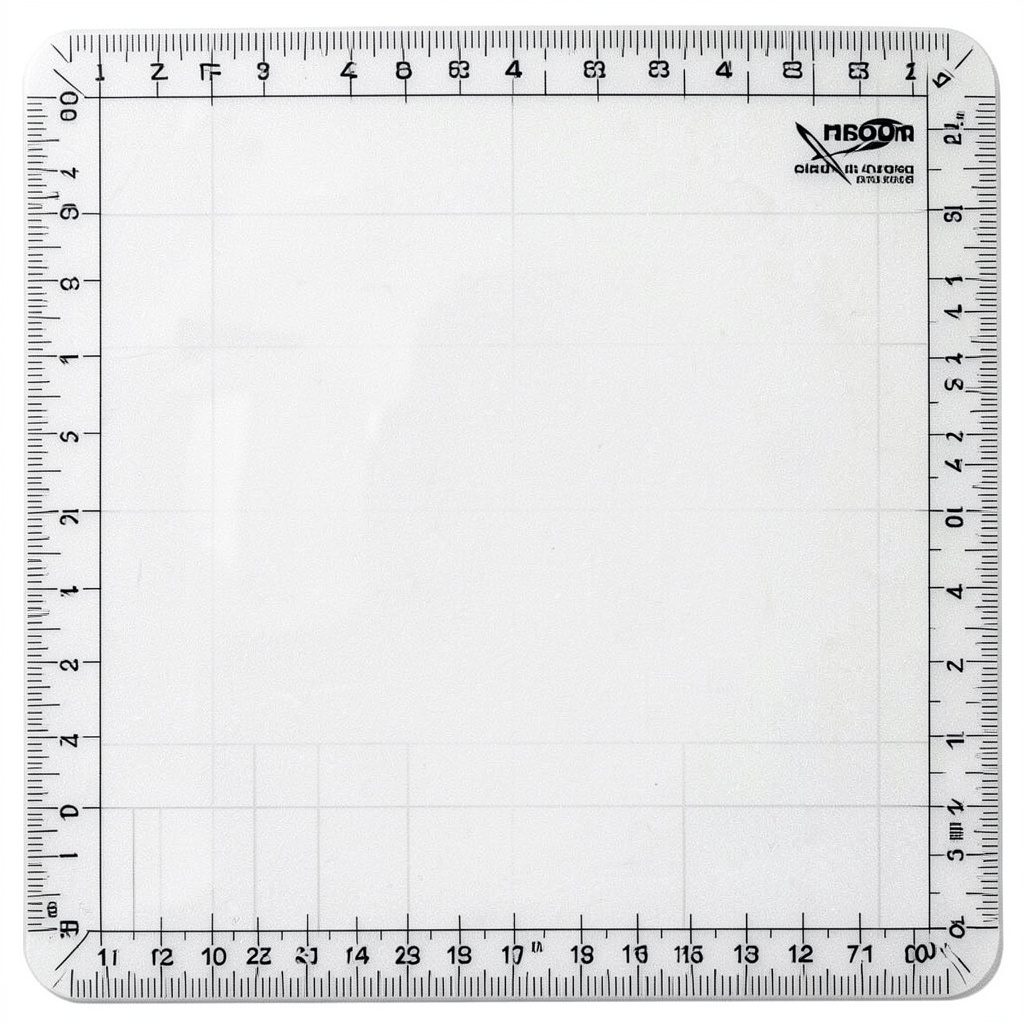
Choosing a Cutting Mat
Self-healing, double-sided cutting mats are a staple for sewing and quilting tables. The material closes back over rotary-cutter marks, which keeps a grid readable through repeated use and extends the mat's working life.
Printed grid lines help with squaring fabric and measuring seam allowances without a separate ruler for every cut. Mats sized for double-sided use often carry different grid layouts on each face, useful for switching between project types.
- Self-healing surfaces suited to rotary cutters and blades.
- Double-sided designs with grid markings on both faces.
- Sizing options that scale from small hobby tables to larger cutting stations.
Materials & Suitability
Cutting mats intended for sewing are also used across other craft materials, including leather and paper. The right choice depends on how firm or forgiving the surface needs to be for a given blade and material combination.
- Fabric and quilting projects generally favor a softer, more forgiving surface.
- Leatherwork often calls for a denser mat that holds up to firmer pressure.
- Paper crafting can work with lighter-duty mats in smaller formats.
Sizing Tips
Picking a size comes down to the scale of typical projects and available table space. A mat that is too small limits how much fabric can be laid flat at once, while an oversized mat may not suit a compact sewing area.
- Match mat dimensions to your typical fabric or material width.
- Check that grid lines and printed measurements suit rotary-cutter use.
- Consider double-sided options if you switch between project types often.